


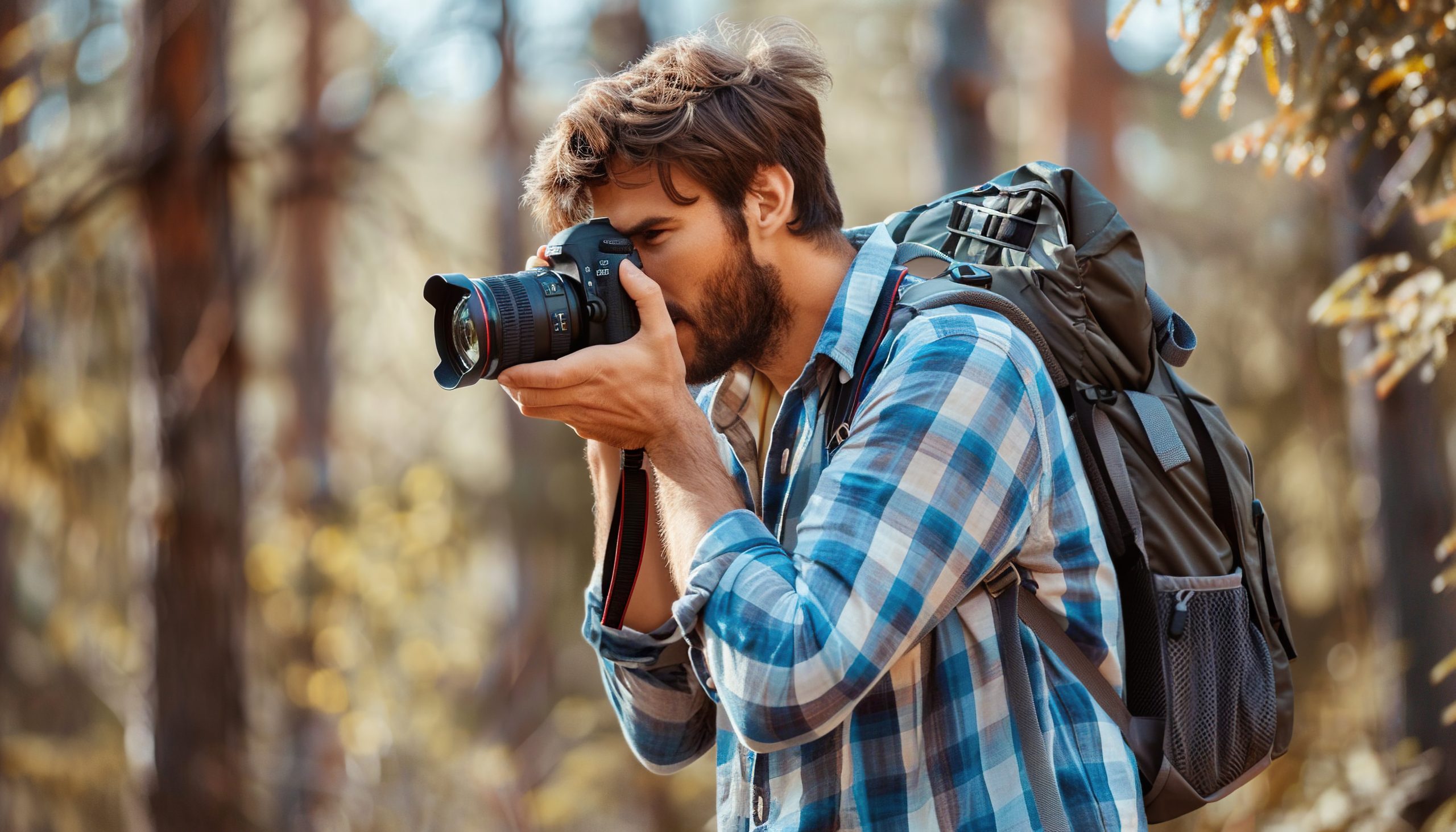











Tips and Tricks for Better Photography
Photography is both an art and a skill that requires practice and creativity. Whether you’re a beginner or a seasoned photographer, there are always new techniques to learn and ways to improve. Here are some essential tips and tricks to take your photography to the next level:

1. Plan Your Shoot
Preparation is key to a successful photoshoot. Before heading out, scout locations and consider the time of day for optimal lighting. Prepare your equipment by charging batteries, cleaning lenses, and packing any accessories you might need, such as tripods or filters. Having a clear idea of your goals will help you capture the shots you envision.
2. Get to Know Your Subject
Understanding your subject helps you capture its essence. For portraits, engage with your subject to make them comfortable and bring out genuine expressions. For landscapes, research the area and its unique features. When photographing animals or events, patience and observation are crucial to capturing the perfect moment.
3. Use Natural and Artificial Light
Learn to work with both natural and artificial light to broaden your photography capabilities. Natural light is versatile and free, but knowing how to manipulate it with reflectors or diffusers can make a big difference. Artificial light, like studio setups or even household lamps, allows for greater control and creativity, especially in low-light situations.
4. Understand Your Camera
To take great photos, you first need to understand your camera. Learn the basics by familiarizing yourself with its settings, such as aperture, shutter speed, ISO, and white balance. These are the building blocks of good photography. Experiment with manual mode to gain greater control over your shots, and don’t skip reading the manual, as it provides insights tailored to your specific camera model.
5. Master Composition
Composition can make or break your photos. Use the rule of thirds by dividing your frame into nine equal parts and positioning your subject at the intersections for a balanced look. Leading lines, such as roads or fences, can guide the viewer’s eye through the image, while framing your subject with elements in the foreground adds depth. Remember, negative space can emphasize simplicity and draw focus to your subject.
6. Play with Lighting
Lighting is one of the most critical aspects of photography. The golden hour—just after sunrise or befe sunset—provides soft, warm light that’s ideal for portraits and landscapes. Avoid the harsh midday sun unless you can find shaded areas or use diffusers to soften the light. Play with shadows to add drama and use reflectors to bounce light onto your subject, reducing harsh shadows.
7. Focus on the Details
Sharp focus is essential for stunning photos. Use single-point focus for stationary subjects and continuous focus for moving objects. Always zoom in on your shots to check for sharpness and ensure the subject is in focus. For macro photography, get close to capture intricate details of small objects like flowers, textures, or insects.
8. Post-Processing is Key
Editing can transform a good photo into a great one. Use software like Adobe Lightroom or Photoshop to enhance colors, contrast, and exposure. Keep your edits natural and avoid over-saturation or excessive filters. Consistency in editing helps develop a unique style that makes your work easily recognizable.
9. Experiment and Take Risks
Step out of your comfort zone and try new approaches. Experiment with angles—get low, climb high, or tilt your camera to create unique perspectives. Incorporate props like mirrors, smoke, or lights for creative effects. Don’t be afraid to break the rules; understanding them first allows you to bend them effectively for artistic results.
10. Gear Isn’t Everything
You don’t need expensive gear to take great photos. Start with what you have and focus on honing your skills and creativity. Invest in new equipment only when you feel limited by your current setup. A sturdy tripod is a worthwhile addition for long exposures and low-light conditions.
11. Practice Makes Perfect
Photography requires regular practice to master. Make it a habit to take photos daily, even with your smartphone. Follow photographers you admire and analyze their techniques. Share your work with peers and seek constructive feedback to improve.