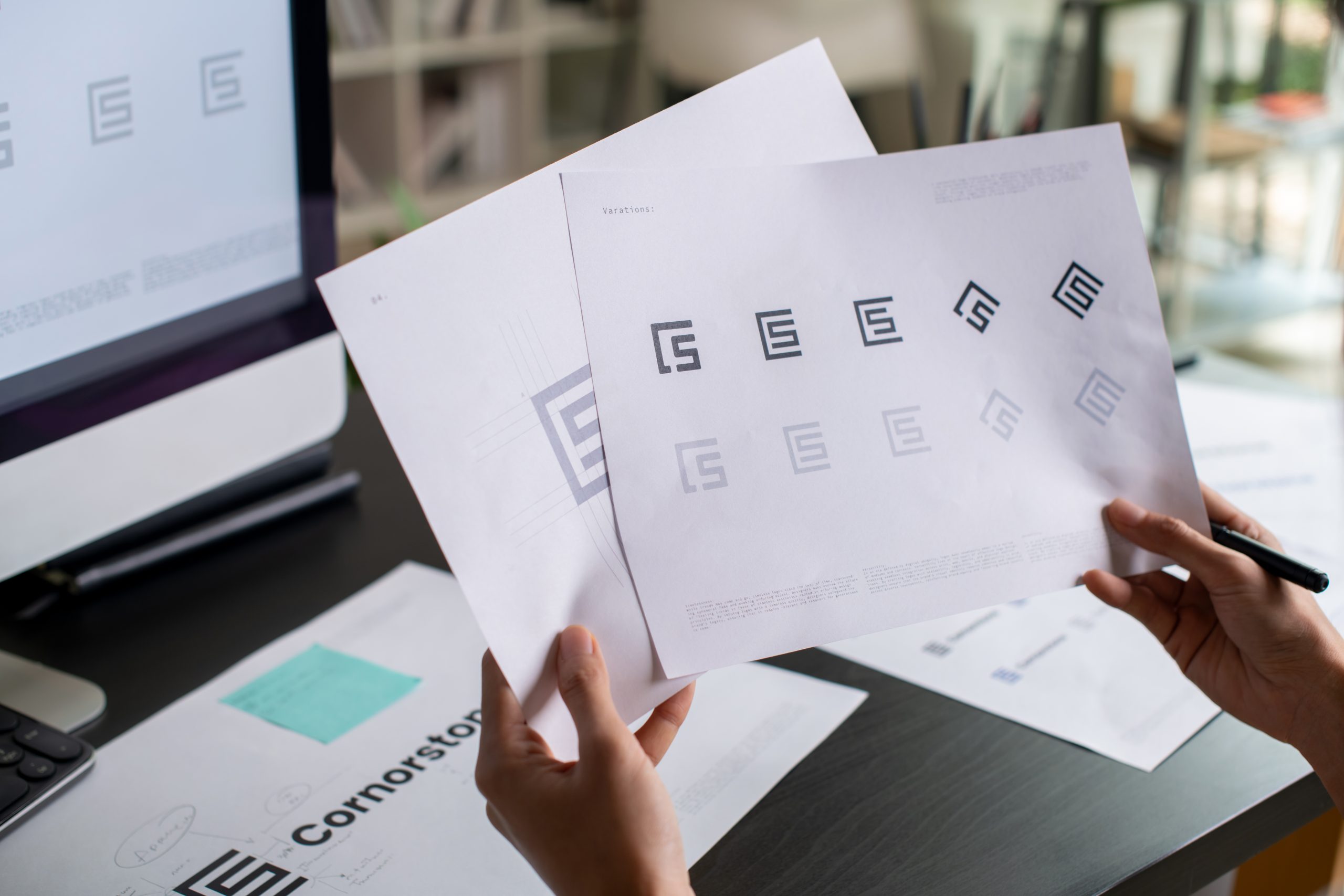
1. Client Inquiry & Initial Consultation Receive Inquiry: Gather initial details about the client’s business, target audience, and any existing branding. Respond to Inquiry: Provide an overview of your branding approach and schedule an initial consultation. Consultation & Brand Discovery: Conduct a detailed meeting to discuss the client’s business vision, brand values, target market, and unique selling points (USPs). 2. Define Project Scope & Requirements Establish Branding Objectives: Define specific goals (e.g., rebranding, visual refresh, complete brand overhaul) and desired outcomes. Identify Brand Assets: Determine which brand elements are needed (e.g., logo, color palette, brand guidelines). Proposal & Agreement: Present a proposal with estimated timeline, deliverables, pricing, and secure client approval. 3. Research & Brand Strategy Development Audience & Market Research: Analyze the client’s target audience to understand their needs and preferences. Competitive Analysis: Assess competitor brands to uncover market trends and unique differentiation opportunities. Define Brand Personality & Positioning: Develop a personal brand and positioning statement that reflect the desired brand. Brand Messaging Development: Outline key messaging, including brand promise, tagline, and core brand values. 4. Concept Development & Moodboarding Create Moodboards: Develop visual mood boards with color palettes, typography, textures, and imagery. Conceptualize Initial Brand Directions: Create sketches or digital mockups of logo ideas, visuals, and color combinations. Present Initial Concepts: Share mood boards and concepts for client feedback to align on direction. 5. Logo Design & Visual Identity Design Logo Concepts: Create various logo options highlighting different aspects of the brand's personality. Iterate & Refine Logos: Gather client feedback and refine the logo design in typography, color, and scalability. Develop Additional Visual Elements: Create icons, patterns, and graphics to enhance brand identity. Client Review & Finalization: Present the refined logo and visual elements, incorporating feedback until final approval. 6. Brand Guidelines & Documentation Develop Brand Guidelines: Create a document detailing logo usage, color palette, typography, imagery, and brand voice. Define Usage Rules: Outline logo variations, clear space, minimum size, color variations, and branding do’s and don’ts. Brand Voice & Messaging Guide: Outline brand tone, language style, and messaging for stable communication. Client Review & Adjustments: Present brand guidelines for client feedback and make adjustments as needed. 7. Collateral Design & Production Create Branded Materials: Design essential brand assets like business cards, letterheads, email templates, and packaging. Digital & Print-Ready Files: Prepare high-resolution and print-ready files that meet industry standards. Mockups & Presentations: Present collateral in mockup formats to demonstrate real-world application of the brand identity. Client Review & Approval: Review the final collateral with the client, making any final adjustments as needed. 8. Brand Launch & Implementation Plan Brand Rollout: Work with the client to schedule and implement the brand launch across relevant platforms. Provide Launch Support: Guide updates to brand assets, website, and social profiles for a cohesive launch. Internal Training & Alignment: If necessary, provide training to the client’s team to ensure consistent use of brand assets and messaging. 9. Post-Launch Evaluation & Support Monitor Brand Performance: Track metrics such as feedback, engagement, and perception to evaluate brand impact. Collect Client Feedback: Follow up to gather insights on the branding experience and address needs. Offer Ongoing Support: Provide options for continued support with future brand updates, new collateral, or strategy enhancements.