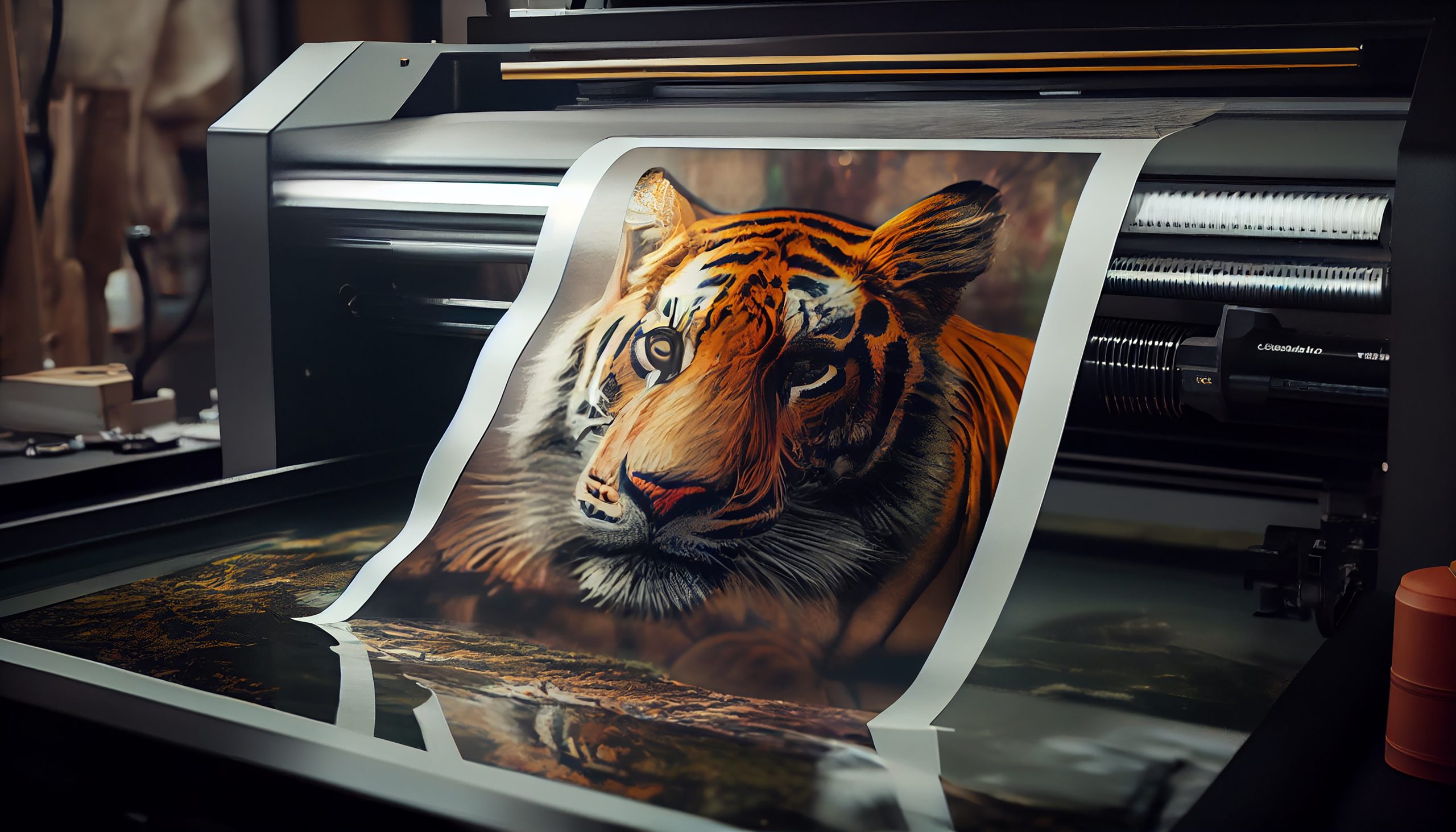
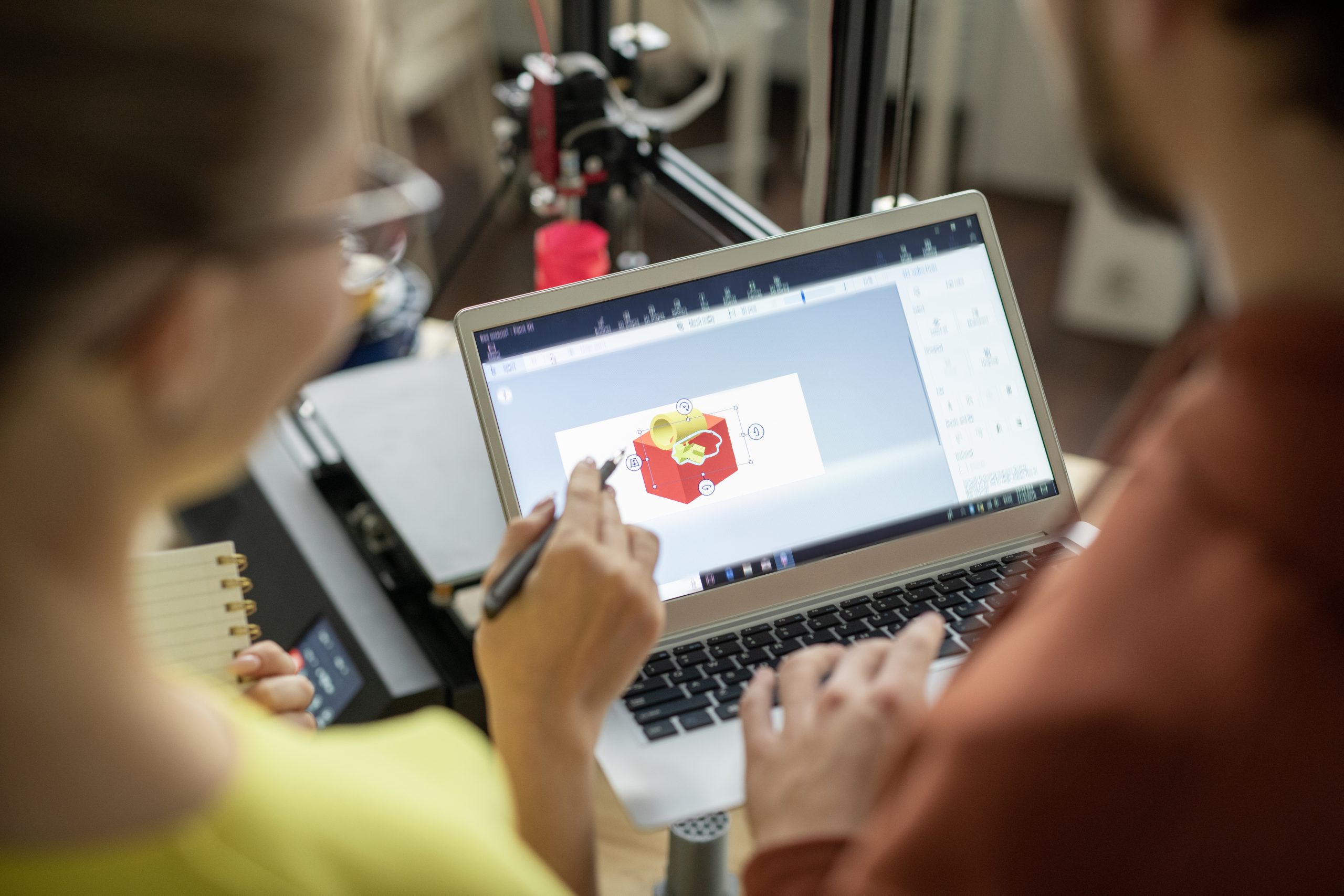
1. Client Inquiry & Initial Consultation Receive Inquiry: Gather details about the print project, such as type, purpose, target audience, size, and quantity. Respond to Inquiry: Provide an overview of your design process, printing capabilities, and schedule a consultation. Consultation & Project Brief: Discuss objectives, style preferences, color schemes, and branding guidelines. 2. Define Project Scope & Requirements Outline Deliverables: Specify required items (e.g., cover design, layout, illustrations) and formats. Determine Printing Specifications: Establish requirements such as paper type, size, binding method, and color specifications. Proposal & Agreement: Present a project proposal with the timeline, cost, deliverables, and terms for client approval. 3. Research & Concept Development Audience & Market Research: Analyze the project’s target audience and review examples of successful similar projects. Create Moodboard: Assemble a moodboard that includes colors, textures, fonts, and layouts that align with the desired style. Initial Concepts & Sketches: Develop preliminary sketches or digital layouts to explore potential design directions. 4. Content Collection & Organization Gather Content: Collect all necessary text, images, graphics, and branding elements from the client. Organize & Structure Content: Review and arrange content logically, grouping similar sections and editing as needed. Prepare Initial Layout: Outline a basic structure with sections, headings, and placeholders for images and text. 5. Design & Layout Development Develop Initial Layout: Use design software to create a layout with text, images, and elements per print specifications. Create Visual Elements: Design visual elements, such as icons, illustrations, and infographics, if needed. Client Review of Layout: Share the initial layout with the client for feedback and adjustments to structure and visuals. 6. Refinement & Finalization Refine Typography & Colors: Ensure typography consistency, finalize print colors, and apply brand elements. Adjust for Print Specs: Check margins, bleeds, and safety areas to ensure proper alignment for printing. Proofread & Quality Check: Proofread text, verify image resolution, and ensure all elements meet print requirements. 7. Client Review & Approval Submit Final Proof: Provide the client with a digital proof for review, incorporating all requested adjustments. Make Final Revisions: Revise the design based on final feedback, ensuring alignment with client expectations. Client Approval: Obtain formal client approval on the final design before moving to print production. 8. Prepare Print-Ready Files Format for Printing: Export files with embedded fonts, high-resolution images, and correct color profiles. Apply Crop Marks & Bleed: Add crop marks, bleed, and any necessary guides to ensure accurate printing and trimming. Final Quality Check: Perform a last quality check for file integrity, ensuring no elements are missing. 9. Print Production Send Files to Printer: Submit print-ready files to the printing service, providing clear specs for paper type, and finishes.. Request a Proof Print: Request a physical proof to check color accuracy, layout alignment, and overall quality. Approve & Start Printing: Review the proof, make any necessary changes, and approve the print run. 10. Distribution & Delivery Inspect Printed Materials: Upon receiving the final prints, check for quality and consistency across all copies. Prepare for Distribution: Arrange for distribution (mailing, hand-delivery, or storage) or provide shipment to the client’s address. Follow Up with Client: Confirm that the client is satisfied with the final printed materials and address any feedback. 11. Archive & Maintain Relationship Save Project Files: Archive all files, including design drafts and print-ready files, for potential reprints or future updates. Client Feedback & Testimonial: Request feedback on the project experience and final product, which can be useful for portfolio and client relations. Follow Up for Future Projects: Maintain contact with the client for any ongoing or future print design needs.