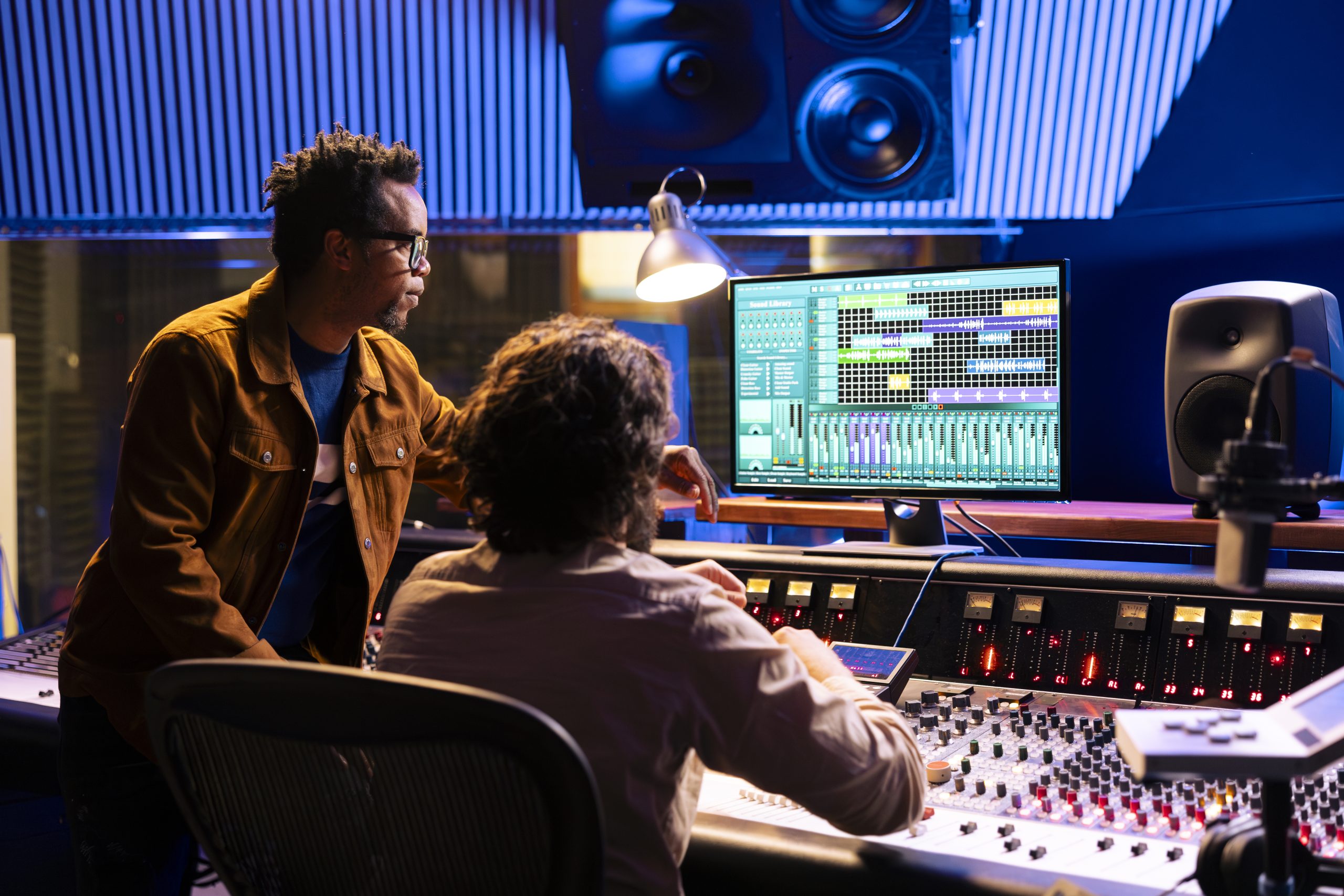
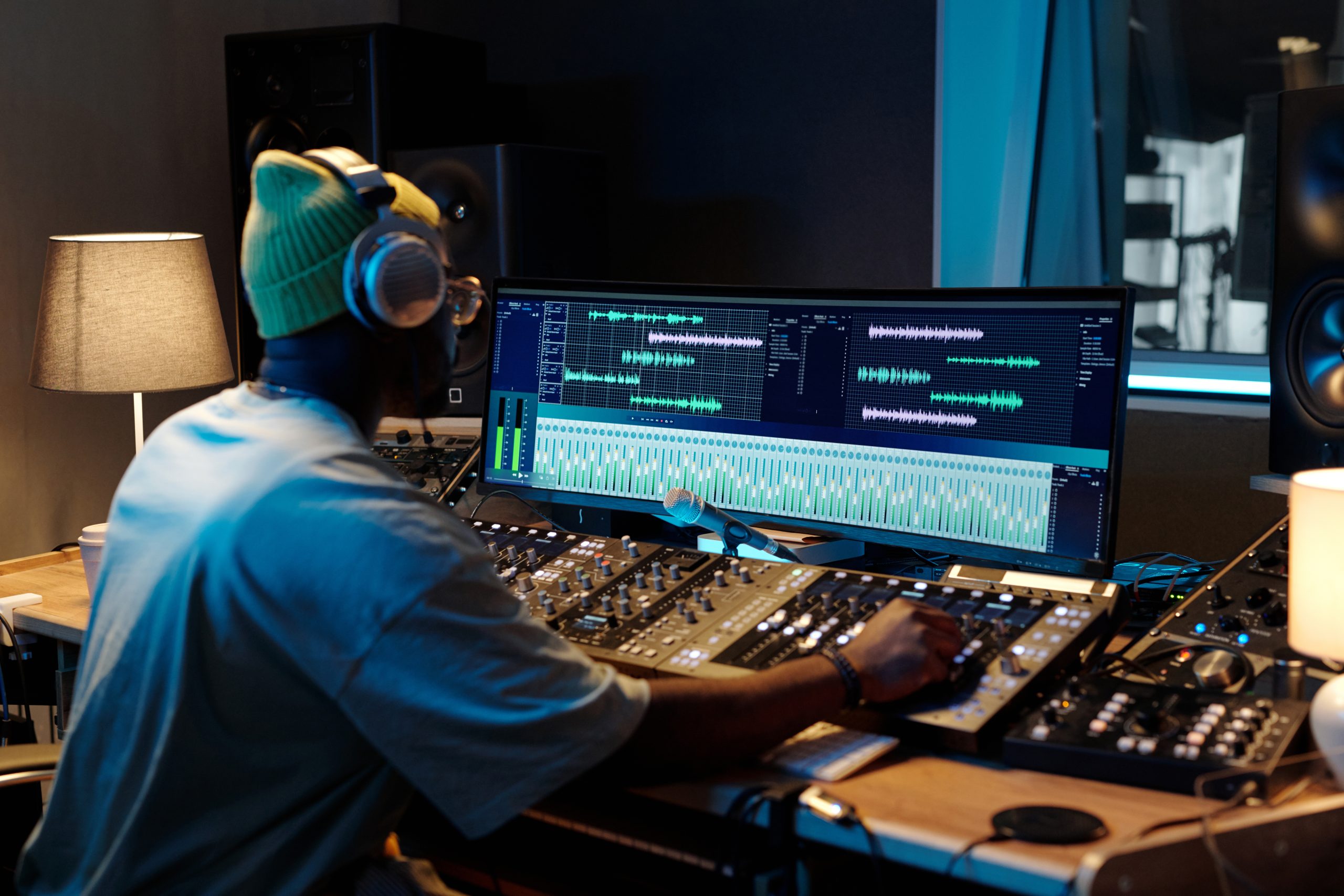
1. Client Inquiry & Initial Consultation Receive Inquiry: Gather initial details about the project, such as the type of audio production, length, style, and target audience. Respond to Inquiry: Provide an introduction, relevant audio samples, and schedule a consultation to discuss the project. Consultation & Project Goals: Discuss the project vision, style, and technical needs, such as genre, mood, key sound elements, and delivery format. 2. Define Project Scope & Planning Establish Scope & Requirements: Outline the deliverables, including specific elements like voiceovers, background music, sound effects, or musical arrangements. Identify Technical Needs: Determine equipment requirements, such as instruments or specific software. Create a Project Timeline & Budget: Develop a timeline with key milestones and provide a project quote for approval. 3. Pre-Production Preparation Script or Storyboard Development: For podcasts or sound design, create a script or storyboard outlining content structure. Develop a Production Plan: Set up session templates, plan track layout, and preconfigure audio settings. Prepare Sound Library: Assemble any background music, samples, or sound effects that align with the project’s style. 4. Recording Session Set Up Equipment: Configure instruments and other recording equipment to capture high-quality audio. Sound Check & Test Recordings: Run sound checks and adjust levels, EQ, and monitoring settings. Record Audio: Record multiple takes if needed, focusing on capturing clear, high-quality sound. Organize & Label Tracks: Immediately label and organize each take to simplify editing and keep the project organized. 5. Editing & Sound Design Select Best Takes: Review and choose the best takes, removing unnecessary background noise or artifacts. Edit Audio Tracks: Trim, edit, and arrange audio tracks to match the intended structure, adding effects, or reverb as needed. Layer Sound Effects: Add and synchronize sound effects or ambient sounds to enhance the audio. Preliminary Mix: Set initial levels, panning, and EQ to ensure a balanced sound across all elements. 6. Mixing Balance Levels & Dynamics: Adjust levels, EQ, compression, and effects to create a cohesive sound that enhances clarity. Apply Effects & Enhancements: Add effects like delay, reverb, or modulation to create depth and character. Stereo Imaging & Panning: Position sounds in the stereo field for spatial clarity and listener immersion. Client Review of Mix: Share the preliminary mix with the client for feedback, making revisions as needed. 7. Mastering Finalize Mix for Mastering: Prepare the final mix by ensuring consistent levels, dynamic range, and frequency balance. Apply Mastering Effects: Add mastering effects like multiband compression, limiting, and equalization to achieve industry-standard loudness and clarity. Format & Export: Render the final mastered file in the client’s preferred formats (e.g., WAV, MP3, FLAC), ready for distribution. 8. Delivery & Post-Production Deliver Final Audio Files: Send the final mastered files to the client via the agreed delivery method (e.g., download link or physical media). Confirm Client Satisfaction: Follow up to ensure the client is satisfied and address any final adjustments if needed. Request Feedback/Testimonial: Ask for feedback or a testimonial, which can be helpful for future client relations. 9. Archive & Maintain Relationship Archive Project Files: Save raw recordings, session files, and final versions for potential future use. Follow Up with Client: Check in with the client after some time to offer further services, such as remixes, edits, or new projects.